

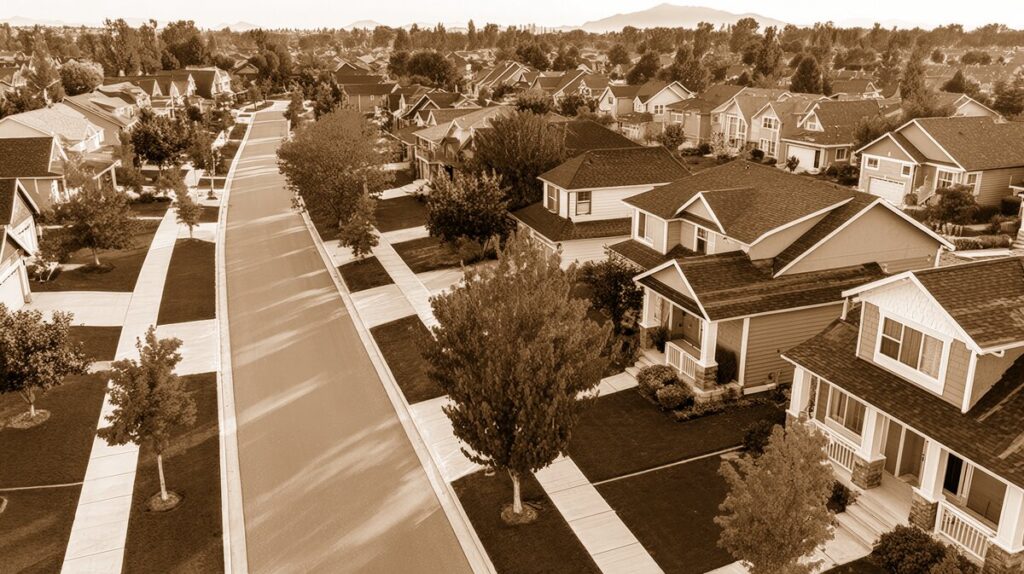
Nestled in the dynamic heart of Research Triangle Park (RTP), the Ellis Station neighborhood is a microcosm of North Carolina’s rich historical tapestry interwoven with the innovative spirit that defines our region today. As a longtime resident, I’ve watched Ellis Station grow from quiet beginnings to a thriving community—and its journey is one worth sharing.
Origins: From Rural Crossroads to Community Hub
Long before Ellis Station was a name on real estate signs or subdivision maps, this area was simply gentle farmland and longleaf pine forest, crisscrossed by rural paths. In the late 19th and early 20th centuries, the land that would become Ellis Station was situated not far from the New Hope Church Road corridor, bounded by what is now Ellis Road and Hopson Road. The area featured small family farms, and its woodland trails became informal gathering places for local families and visiting churchgoers.
How Ellis Station Got Its Name
The origin of the name “Ellis Station” reaches back to the area’s earliest days as a local node on the railroad connecting Durham to smaller satellite communities. The “Ellis” moniker honored the Ellis family: early landowners who operated a crucial stop for both passenger and freight traffic. Their farmhouse, once located near today’s intersection of Ellis Road and Hopson Road, served as an informal depot and watering station. Over time, maps and post routes picked up the “Ellis Station” name, cementing its place in local geography (and hearts).
Key Historical Milestones
- Railroad Arrival (Early 1900s): The establishment of the railroad line through the area increased local commerce and brought new settlers, changing the rhythm of life here from strictly agricultural to a blend of rural and industrial.
- Mid-20th Century Growth: As Durham and RTP emerged as centers of higher education and technology, Ellis Station’s proximity made it an attractive location for new homes, schools, and businesses.
- Integration with Research Triangle Park (1960s–1980s): RTP’s founding brought a wave of change, shifting the neighborhood from its bucolic roots to a more suburban, commuter-friendly hub. Ellis Road was widened, and local streets like Pleasant Drive and Stirrup Creek Drive began to see new housing developments.
- Modern Revitalization (2000s–Present): Recent decades have seen careful community planning with new townhomes, walking trails, and connectivity to larger RTP infrastructure. The Heart of the Park Greenway, which threads through the neighborhood, invites both residents and visitors to explore local nature.
Notable Landmarks and Buildings
Ellis Station is not explicitly marked by grand historic mansions or museums, but its character is revealed through places that locals treasure:
- The Old Ellis Depot Site: While the original station is gone, the spot near Ellis Road is marked by a historical plaque and a landscaped pocket park, where residents recall local stories at annual community days.
- Hopson Community Center: Built on the foundations of a century-old barn, this center serves as a gathering place for fitness classes, educational workshops, and neighborhood meetings.
- Stirrup Creek Trailhead: This gateway to RTP’s scenic trail network is a favorite for morning joggers and evening strollers, linking the community’s past to its present-day emphasis on active living.
Timeless Traditions and Community Spirit
What gives Ellis Station its special charm isn’t just its location or history—it’s the way neighbors keep traditions alive. For decades, the annual spring picnic at Ellis Station Park has drawn families from Pleasant Drive, Blakeney Lane, and beyond, featuring potluck dishes that nod to the area’s farming past. The community “porch light” tradition—leaving one light on to guide late-night arrivals—speaks to the area’s enduring hospitality.
Evolution Over the Decades
Every decade has layered new experiences onto the Ellis Station story. In the 1970s, original ranch homes welcomed families whose parents worked at RTP’s growing tech firms. The 1990s brought townhome developments and the first wave of commuters attracted by quick access to companies like IBM and Cisco.
Today, the neighborhood remains popular for its blend of old and new. Weekly food truck rallies at the Hopson Community Center, yoga in the park, and pop-up artist events bring together longtime residents and newcomers alike. Streets like Ellis Road and Sir Wind Court reflect careful tree planting and environmentally conscious designs—nods to past and future generations.
Looking Ahead: Heritage and Renewal
Ellis Station’s story is still unfolding. As the Research Triangle area blossoms and diversifies, this neighborhood continues to balance growth with respect for its roots. Preservation efforts—like maintaining the pocket park and integrating new construction with native greenery—ensure that the next wave of residents will feel just as welcome and inspired as those Ellis family members more than a century ago.
The best thing about Ellis Station isn’t just its past, but its openness to new stories, friendships, and dreams. The spirit of neighborliness and pride in our collective heritage will keep the community thriving for years to come.